
Requirements to Become a Travel Nurse in Canada

If you’re looking to become a travel nurse in Canada, it is important to know the requirements before embarking on that journey.
We know how important and exciting your travel journey is to you. And that’s why we’ve put this guide together to walk you through the real requirements you need for a travel nursing assignment in Canada.
You will learn what employers expect, what agencies check, and what contracts can involve. By the end, you should know whether this path fits your goals.
Let’s get into it.
What Is a Travel Nurse in Canada?
A travel nurse fills temporary staffing gaps at hospitals, clinics, long-term care homes, and remote communities.
A travel nurse contracts often last several weeks or months, depending on the employer’s needs.
Most travel nurses find assignments through staffing agencies that connect them with employers.
Once you arrive, orientation is often brief and practical. You temporary learn the unit layout, charting system, and key contacts quickly.
That means you need strong basics, calm judgment, and the ability to adapt fast.
Depending on the agency model, you may work as a contractor or temporary employee. That affects taxes, benefits, and how expenses are handled. You should ask about that early, because it changes your take-home reality.
Basic Requirements to Become a Travel Nurse in Canada

Nursing education and credentials
First, you need the right nursing education for the role you want. In Canada, that usually means approved training as an RN or LPN. Your diploma or degree should match the scope of practice you plan to work in.
Active provincial or territorial license
You also need an active nursing license in the province or territory where you will work. Licensing rules are not identical across Canada, so you cannot assume one approval covers everything. Before applying, check the local regulator and confirm your registration status.
Minimum experience required
Experience matters because travel nurses often receive less supervision than permanent staff. Many employers prefer at least two years of recent bedside experience. Some roles accept less, but specialty assignments usually expect more.
Certifications and supporting documents
You should also expect document checks before any contract moves forward. Common requirements include BLS, immunization records, references, criminal checks, and government identification. Certain units may also ask for ACLS, CTAS, or recent specialty certifications.
Do You Need Different Requirements in Different Provinces?
Yes, requirements can shift depending on the province, territory, employer, and specialty. One province may process licenses faster, while another needs extra documents. You should treat each province as its own system until proven otherwise.
This matters even more if you want contracts across several provinces. You may need new registrations, updated checks, or employer-specific onboarding every time. Planning early saves you stress and helps you accept opportunities faster.
If you trained outside Canada, expect extra steps before you can start. You may need credential review, language testing, and proof of work authorization. Start early, because those timelines can move slower than contract timelines.
How to Become a Travel Nurse in Canada Step by Step
Once you meet the basics, the path becomes much more straightforward. You choose your focus, organize your paperwork, and start speaking with agencies. From there, you compare contracts carefully before committing to your first assignment.
Choose your specialty
Start by deciding where you work best and where you feel confident. Emergency, med-surg, long-term care, rural care, and hemodialysis often need flexible nurses. When your specialty is clear, agencies can match you more accurately.
Get your documents ready
Next, gather every document before you start applying broadly. That includes your resume, licenses, certifications, references, immunization records, and identification. If anything is expired, renew it early so you do not lose momentum.
Apply to agencies or contract opportunities
Then, apply to reputable agencies and monitor direct contract listings. You can find openings through agency websites, job boards, LinkedIn, and nurse communities. Do not apply blindly, because fit matters more than speed.
Interview and review the contract
Once an employer is interested, you may have a short screening call. Use that time to ask about workload, orientation, scheduling, and support. Read the contract carefully, especially around pay, housing, travel, and cancellations.
Prepare for housing, travel, and your start date
Before your start date, confirm where you will stay and how you will travel. Some assignments include accommodations, while others offer a stipend instead. You should also ask about parking, commute times, and what to bring.
How Much Experience Do You Really Need?
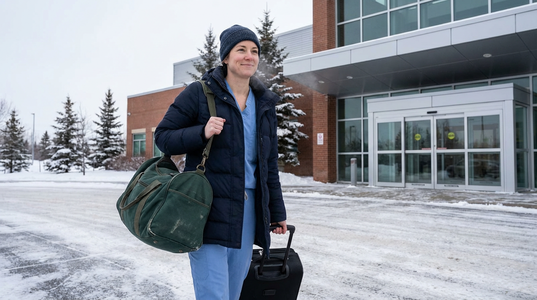
This is the question most future travel nurses ask first. The honest answer is that one year may open doors, but two years opens better ones. You will be safer, faster, and more confident with a stronger base.
Experience is not only about technical skill. It is also about judgment, communication, and knowing when something feels wrong. When orientation is short, that deeper confidence becomes your safety net.
What Certifications and Documents Are Usually Required?
Most contracts ask for a core set of professional documents. You should expect license verification, CPR or BLS, references, and recent immunization history. Many employers also request police checks, TB screening, and proof of identity.
If you want critical care or emergency work, expect more specific requirements. That can include ACLS, specialty courses, recent unit experience, or additional competencies. Keeping a digital folder ready will save you time during fast offers.
How to Choose the Right Travel Nursing Agency
Your agency can shape your entire experience, so choose carefully. A great agency communicates clearly, answers questions quickly, and respects your preferences. A weak agency can create confusion before you even start.
Look beyond hourly pay when you compare agencies. Ask about housing quality, travel reimbursement, cancellation protection, and support after arrival. Sometimes the highest rate comes with the weakest safety net.
You should also check reviews, specialties served, and province coverage. If you want several contracts, broad coverage can make future moves easier. The right agency should feel like a partner, not a pressure source.
Pros and Cons of Travel Nursing in Canada
The upsides of travel nursing are easy to see. You can earn more, explore new places, and build wide experience quickly. For many nurses, that mix feels energizing and deeply rewarding.
You also gain perspective by seeing how different facilities operate. That can sharpen your clinical judgment and make you more adaptable. If you enjoy change, travel nursing rarely feels stale.
But the challenges are real, and you should respect them. You may miss benefits, paid leave, and long-term workplace stability. Some assignments can feel lonely, especially in unfamiliar towns.
New systems, new coworkers, and rushed orientation can also be stressful. You might feel like an outsider until trust develops on the unit.
That is why flexibility, professionalism, and strong documentation habits matter. Pros and cons of travel nursing is enormous. but don’t get discouraged. Everything that has has good side usually also have a bad side.
Questions to Ask Before You Accept a Contract

Before signing anything, ask what your day will actually look like. Clarify patient load, shift pattern, overtime expectations, and orientation length. You deserve to know what support exists on difficult shifts.
You should also ask detailed housing and travel questions. Find out who books accommodations, what costs are covered, and how far housing is from work. Small logistics can make a big difference in daily stress.
Finally, ask how cancellations, extensions, and early exits are handled. Some contracts are flexible, while others have penalties or strict notice rules. When you understand the fine print, you protect yourself better.
Is Travel Nursing in Canada Worth It?
Travel nursing can be absolutely worth it for the right nurse. If you enjoy change, independence, and challenge, you may thrive here. If you need predictability, benefits, and routine, a permanent role may suit you better.
The good news is that you do not need to guess blindly. You can speak with agencies, ask hard questions, and start when you feel ready. When your preparation is solid, your first contract feels much less intimidating.
FAQ
Can new grads become travel nurses?
Yes. Sometimes, but it is less common and usually more limited. Most employers want nurses who can work safely with minimal supervision. If you are new, build strong bedside experience before aiming for travel work.
Do travel nurses get benefits?
That depends on the contract and agency model. Some packages include support allowances, but traditional employee benefits may be limited. You should confirm health coverage, sick time, vacation, and liability expectations before signing.
How much do travel nurses make in Canada?
Pay varies by province, specialty, urgency, and agency. Travel roles often pay more than permanent positions because the need is immediate. You should compare the full package, not just the hourly rate.
Do I need a work permit to travel nurse in Canada?
If you are not legally authorized to work in Canada, yes. Requirements depend on your citizenship, immigration status, and employer arrangement. You should confirm work eligibility before spending time on licensing steps.
Can LPNs become travel nurses in Canada?
Yes, LPNs can work travel contracts in many settings. Opportunities depend on provincial scope of practice and employer demand. You will still need the right license, experience, and current documents.
Final Thoughts
If travel nursing keeps calling your name, take the next step thoughtfully. Start with your license, documents, and honest self-assessment. When those pieces are ready, you will be in a strong position to begin.
We can help you fast-track your processes while you only get prepared for the journey ahead. Get in touch with us here.